RiftMode
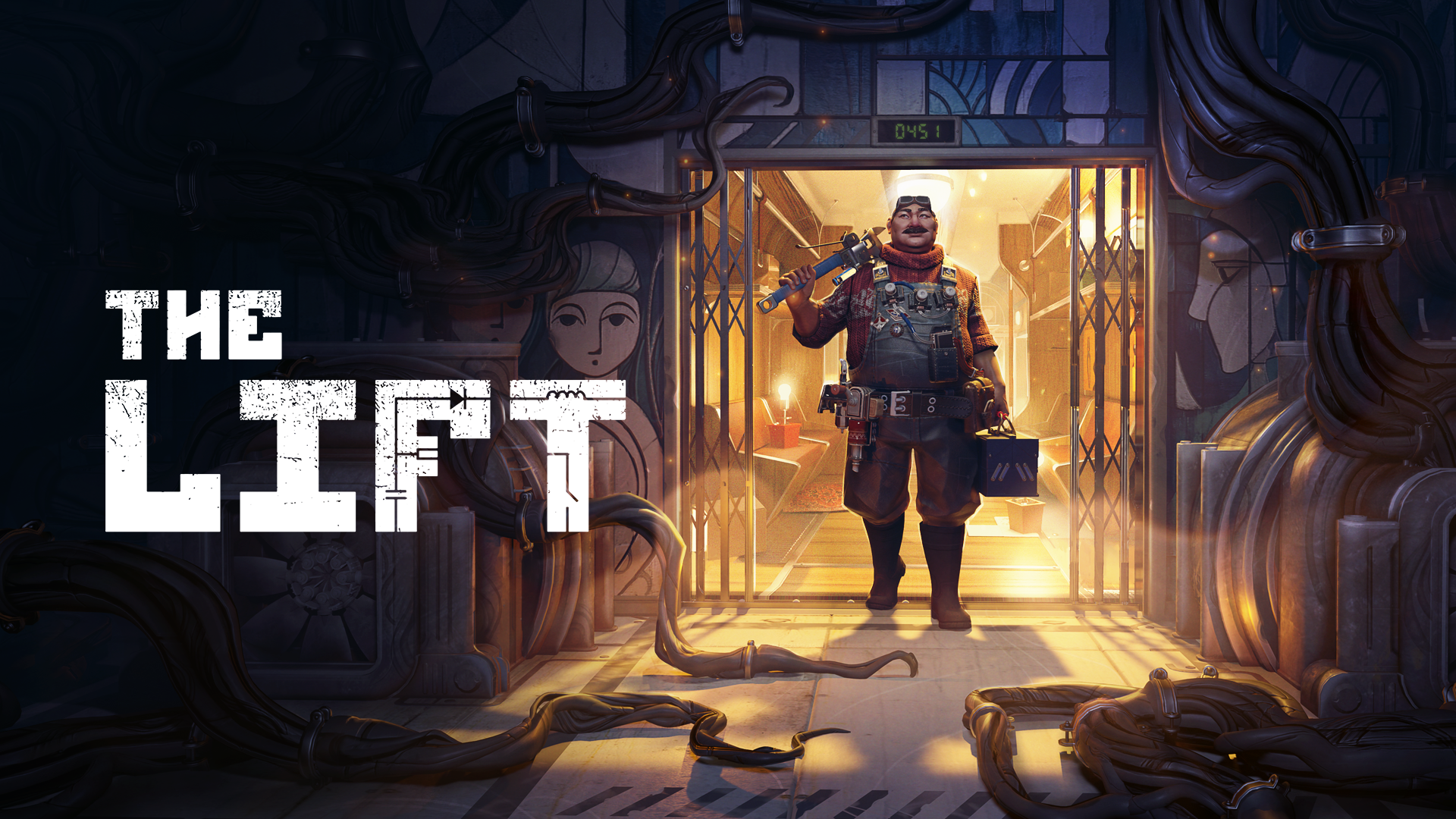
You enter a room, and instantly you are aware of failure – of the hydraulics, with a gruesome and wet sound of fluid release. The Lift doors creak open with considerable strain upon ancient hinges. You step out onto a twisted floor of buckling deck plates which rise up under your feet like broken and battered ribs, threatening to collapse at any moment. Such a scene of total, cataclysmic failure lies all about you; hardware, so lovingly crafted, lies abandoned and in shambles throughout a scarred and chaotically-thrown concourse. The floor is strewn with the smashed glass of manifold components, along with rows of long-dead relay racks slumped drunkenly against the walls and bulkheads, tangled wiring, such as severed and bloody tendons, sprawled haphazardly amongst the debris. The auxiliary bay is located at the far end of the concourse. As you make your way down the slanting corridor, it bends off in impossible ways into non-space. The dying amber beacon of the backup turbine up ahead peppers the darkness with bursts of failing light. You slide into the very cold crawlspace beneath the big housing and grapple with the wrenching, vibrating casing of the big regulator valve. When at last you managed to shut it, the lines to the turbine began to purge themselves of fluid.
The governor caught up a moment later, and the big turbine slumped into a low, steady thrum – a sub-bass note that shook your chest. There was a sudden pop of air pressure that snapped your ears and then, with a corresponding creaking and shifting of the deck plates, all the twisted, distorted, heavy, deep-shaded shadows in the space piled up against the walls of the cavernous corridor once more. A bright green light stuttered on in the far corner of the space, and the status readout on the floor creaked into new, non-numerical readings. You backed out of the tight crawlspace, your face and clothing smeared with graphite grease, and walked through the old Institute murals of beaming scientists and glittering orbital rings bisected by jagged, crystalline burns. At the end of the corridor, the closed doors of the Lift car’s cab ached with golden light like an open furnace. You took a breath, checked your seals, and hit the next button down. As you head towards the direction of the central atrium, the faint light of failing beacons leads the way. I feel the Pull of the Void beyond the metal of the hull, the fabric of space and time tangling around me like a thread. I walk towards a cluster of generators, all of them failing in a series of mechanical wheezes and groans. The pulses of failing engines and failing beacons fill the air as I take to my knees and set to work to diagnose the faults in the reviewereal_linkers eyeview. As I run various diagnostics, the lines of power twist through the maddening tangle of metal like snakes through grass, the components of the engines proving at first to be recalcitrant and resistant to my ministrations, vibrating with the residual energy of the event that had brought them down in the first place. A moment later, the Lift doors slide open with a soft, controlled whoosh. You step in, blinking against the light inside the car, and drop into the seat. Your hand finds the button for the next level down. You press it.
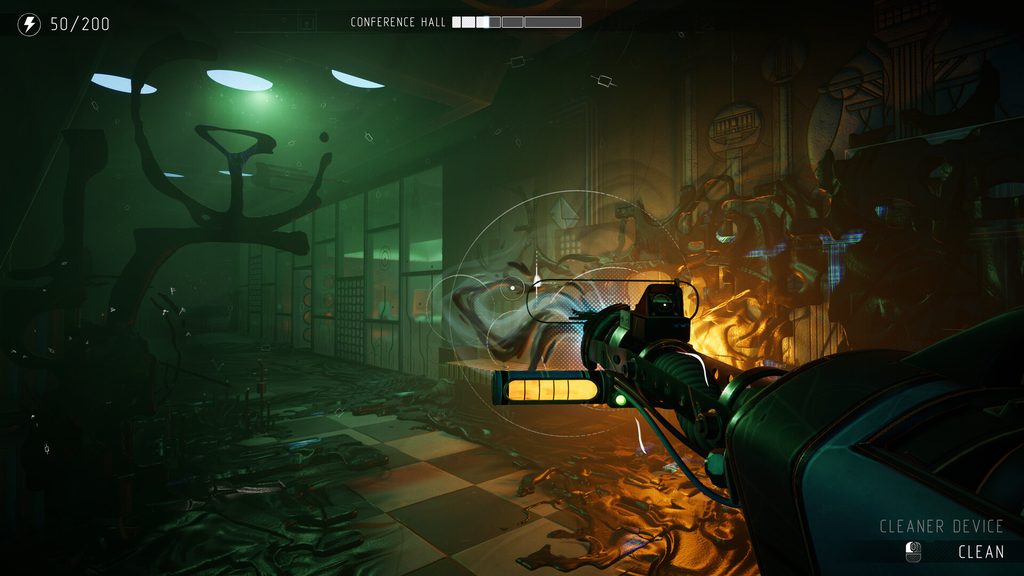
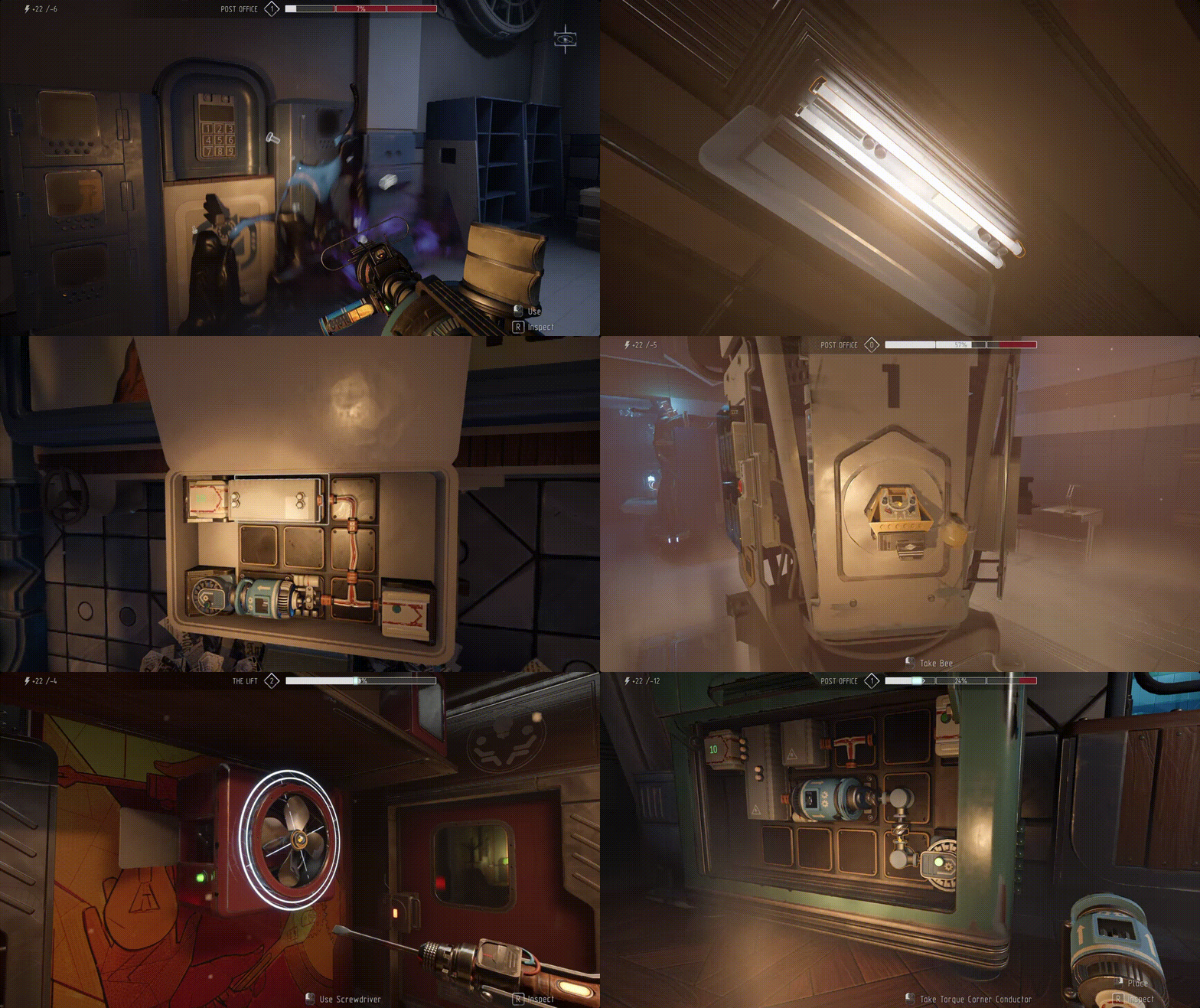
Features include:
- Satisfying handyman simulator + immersive narrative-driven adventure
- Massive research complex to explore and renovate
- Complex electrical engineering projects
- Your own toolbox full of weird but useful gadgets
- Recycling-based crafting system
- Highly interactive world inspired by Soviet retrofuturism
- Memorable, fully voiced characters with engaging quests and stories

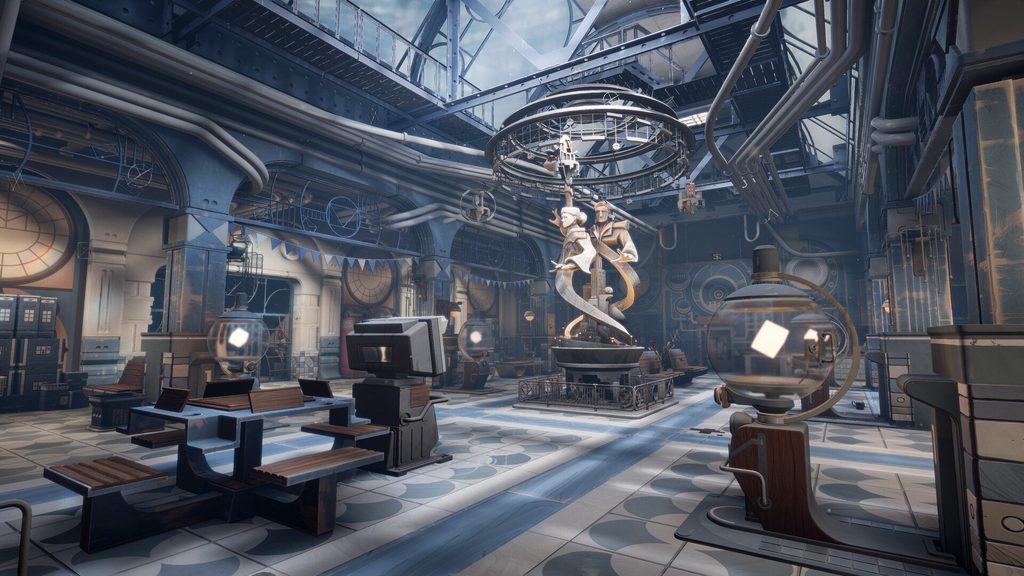
Which forgotten chambers hold clues to the cataclysmic incident? How does the facility reveal its secrets through fading machinery? Who left behind the cryptic designs etched into the institute’s walls? Find out when The Lift comes to PC via Steam, PS5 on the PlayStation Store, and Xbox Series X|S on the Microsoft Store in 2027.
Enjoy the trailers — until the Rift opens again, know that you’re appreciated.