THE VR DIMENSION
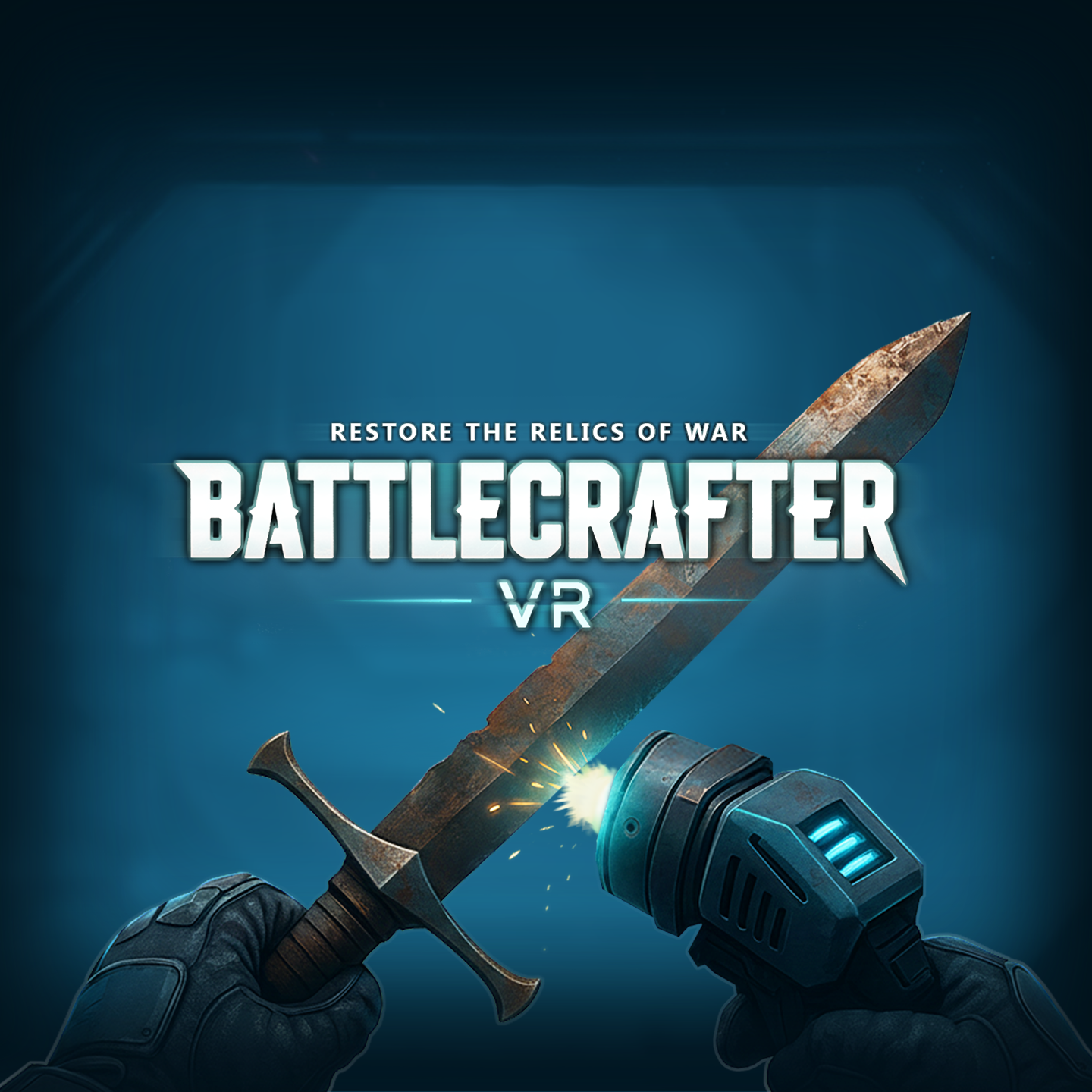
In the quiet hum of the Mars War Museum’s restoration wing, every artifact seems to hold its breath, waiting for the moment when forgotten histories are coaxed back into the light, and the omniscient gaze of time watches as ancient steel and modern alloys surrender their secrets to careful hands. Across the workshop, dust from centuries-old battlefields clings stubbornly to the edges of relics—swords dulled by age, rifles scarred by use, fragments of armor that once carried the weight of human fear and courage—and each piece feels like a doorway into a different era, a different way humanity tried to understand conflict. The air carries a faint metallic tang, mingling with the sterile scent of polymer tools and the low thrum of magnetic platforms warming to life, and there’s a strange comfort in the contrast: the past whispering through rust and wear, the future answering with laser welders and precision 3D printers. As the restoration process unfolds, there’s a rhythm to it—slow at first, almost hesitant, then gathering momentum as surfaces brighten, mechanisms realign, and the artifacts begin to resemble what they once were, or perhaps what they always wanted to be. Sometimes the work feels like a conversation, a negotiation between eras, where the craftsman must decide how much of the original story to preserve and how much to reinterpret through modern skill. And in those moments, when a piece finally clicks into place, or a long-faded engraving emerges under careful polishing, there’s a quiet emotional shift, a sense of standing at the intersection of centuries, witnessing how warfare evolved not only through technology but through the people who shaped it. The museum’s massive multimedia domes wait nearby, ready to transform each restored artifact into a living memory, projecting battles that once defined nations and ideologies, now reimagined, that blur the line between education and experience. It’s strange—almost surreal—how satisfying it is to complete a perfect renovation, how the act of rebuilding something broken becomes a way of honoring the countless stories embedded in metal and design. And as the workshop lights flicker against the red Martian dust drifting outside, there’s a quiet understanding that this place, this year, this work, is more than a job; it’s a bridge between humanity’s past and its future, a reminder that even in 2125, the echoes of conflict still shape the way we learn, create, and remember.


Features include:
- Become the Master Restorer – In BattleCrafter VR, you become the galaxy’s leading restoration specialist, tasked with bringing legendary weapons, armor, and battle techniques from humanity’s past back to life. The future of the colossal Marsian War Museum’s exhibitions depends on your skill and precision.
- Craft, Upgrade, and Evolve – Each mission is a new assignment: restore four key historical artifacts – from ancient swords to modern rifles – and install them inside massive multimedia domes that recreate iconic battles. The better your craftsmanship, the higher your reward, which you can reinvest into advanced workshop upgrades like 3D printers, magnetic assembly platforms, and laser welding tools.
- History Reimagined in VR – BattleCrafter VR combines realistic hands-on simulation with an educational journey through the evolution of warfare. Discover how strategies, weapons, and technologies changed over centuries – all in deeply immersive VR. Every task demands focus and precision, and completing a perfect restoration is immensely satisfying.


How does modern technology enhance the preservation of historical warfare artifacts? How does rebuilding damaged artifacts create a bridge between past and future innovation? How does restoring ancient weapons reshape our understanding of humanity’s past conflicts? Find out with BattleCrafter VR, out now for Meta Quest 2, 3, 3S, & Pro on the Meta Store and PlayStation VR2 on the PlayStation Store.
Enjoy the trailer — until the Rift opens again, know that you’re appreciated.