RiftMode
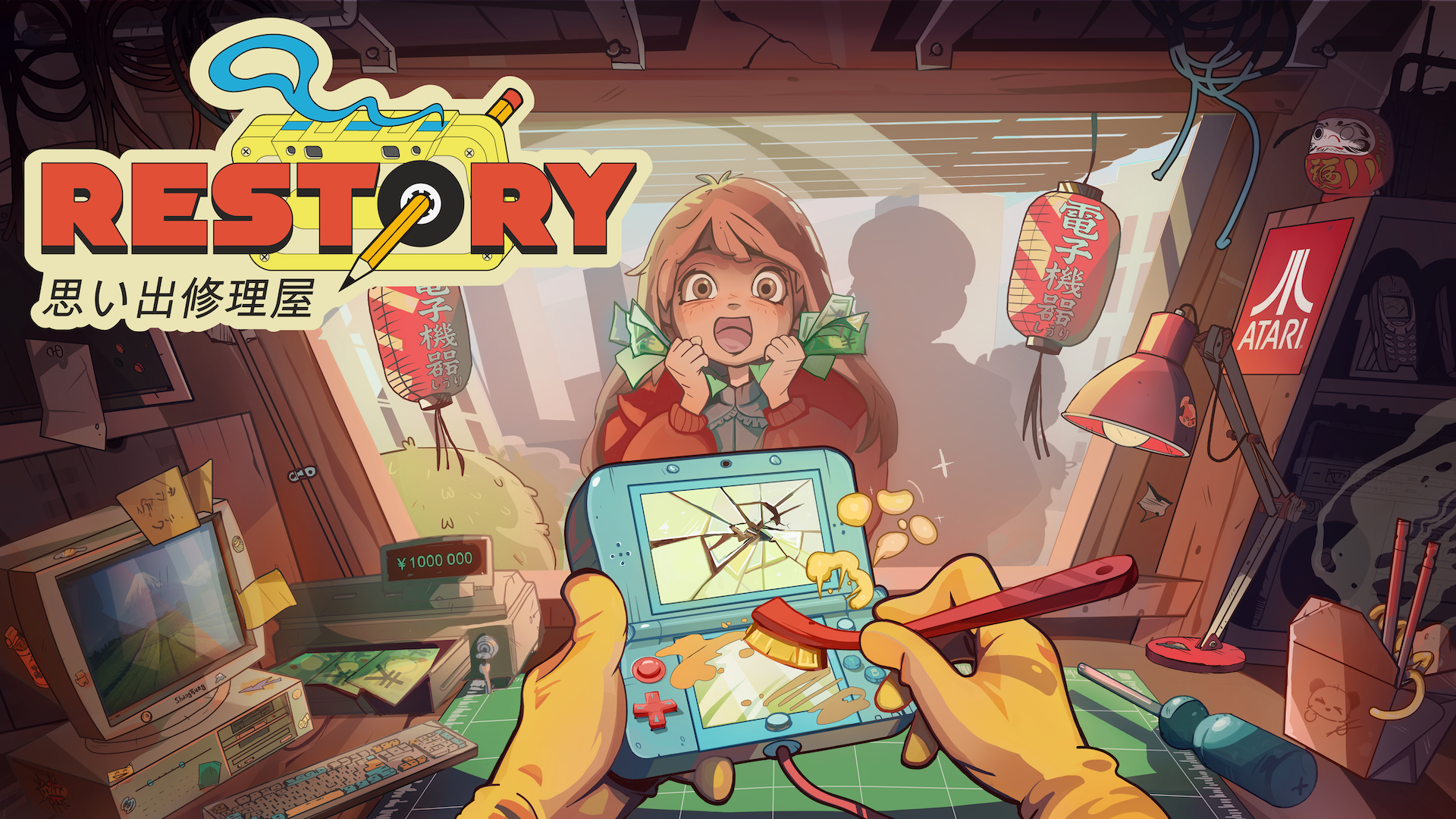
I never expected that running a tiny electronics repair shop on a quiet Tokyo street would feel so strangely intimate, like I’m piecing together fragments of people’s lives one circuit at a time. Every morning when I slide open the door and breathe in that familiar mix of dust, solder, and the faint sweetness of old plastic, I feel a kind of calm settle over me. The city outside is always moving—buses rumbling past, bikes weaving between taxis, the chatter of students heading to class—but inside my shop, time slows down. I take each device into my hands like it’s a small story waiting to be told. A scratched handheld console, a flip phone with a cracked hinge, a music player that refuses to power on—each one carries memories someone didn’t want to lose. As I clean away grime, replace worn‑out capacitors, or gently reassemble a delicate mechanism, I imagine the moments these gadgets once witnessed: late‑night gaming sessions, awkward first text messages, songs replayed endlessly during long commutes. There’s something so soothing about the process, something almost meditative. I find myself leaning closer, listening to the soft clicks of screws tightening, the faint hum of a revived circuit, the quiet triumph of a successful boot screen flickering to life. And even though I don’t mention it aloud, I feel a subtle connection to the people who bring these items in. They trust me with pieces of their past, and that trust shapes the rhythm of my days. Sometimes I catch myself smiling when a device finally works again, imagining the relief or joy its owner will feel. Other times, I pause, wondering how many stories I’ll never know, how many memories remain sealed behind plastic casings and tiny chips. But that’s part of the charm—this gentle mystery, this sense that I’m helping preserve something meaningful even if I never see the full picture. As I lock up at night and step back into the neon‑lit streets, I carry a quiet satisfaction with me. The city feels different after a long day of repairs, like I’ve contributed something small but real to the flow of life around me. And when I think about tomorrow, I feel a spark of anticipation, knowing another device will arrive with its own quirks, challenges, and hidden history. In this little shop, surrounded by tools and nostalgia, I’ve found a place where I can breathe, focus, and feel connected—not through grand gestures, but through the simple act of bringing old electronics back to life.
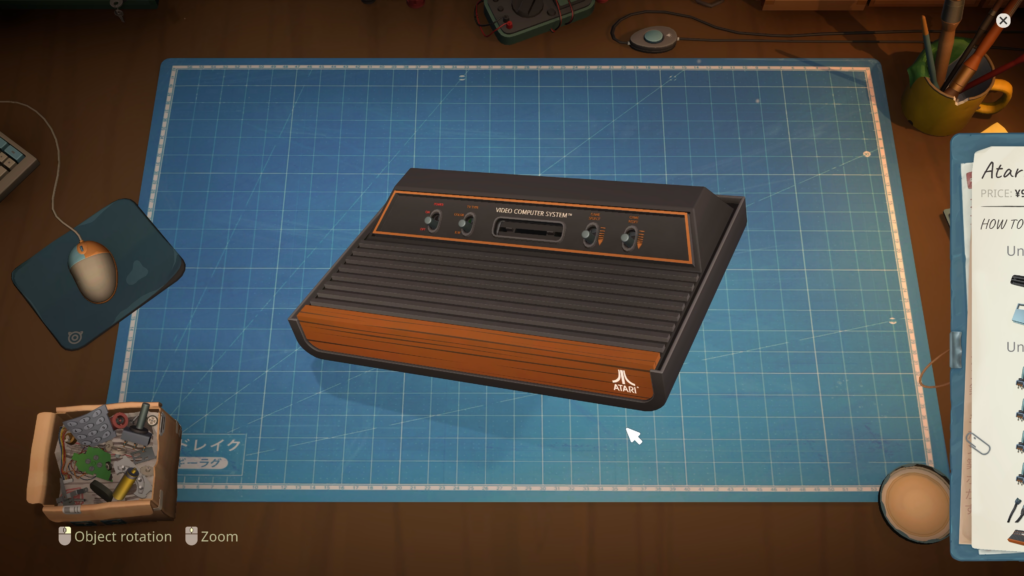
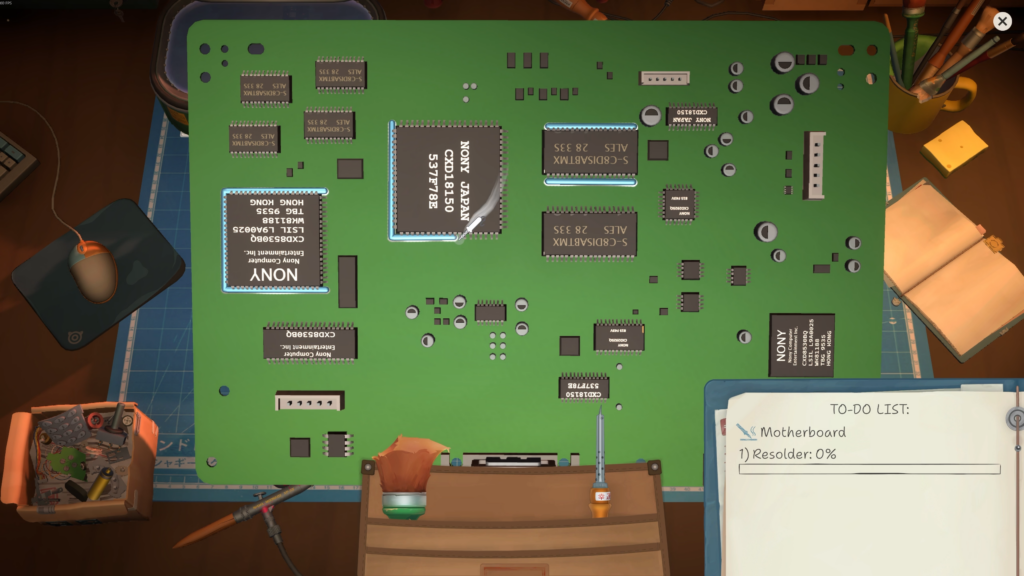
Features include:
- Relaxing electronics repair shop management
- A wide range of nostalgic 2000s devices to repair
- In-depth device cleaning and restoration system
- Y2K-era web browser to hunt for spare parts
- A variety of in-person and online orders to fulfill
- Multiple tools for device repairs
- Iconic Atari consoles, officially licensed for the game
- Customers with unique stories and dialogues
- Replayable branching storyline with choices impacting the ending
- A distinct, chill vibe of urban life in Japan
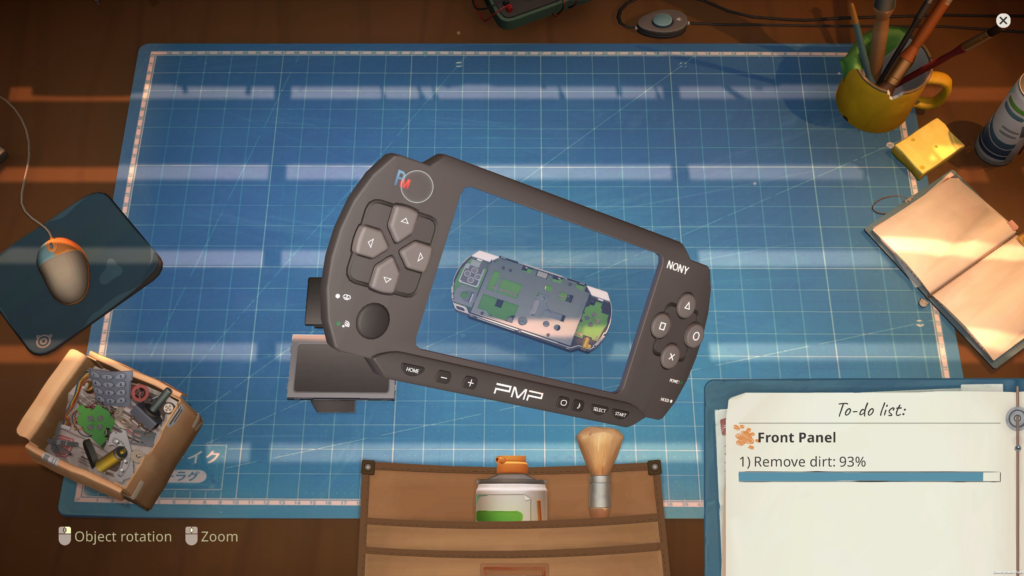
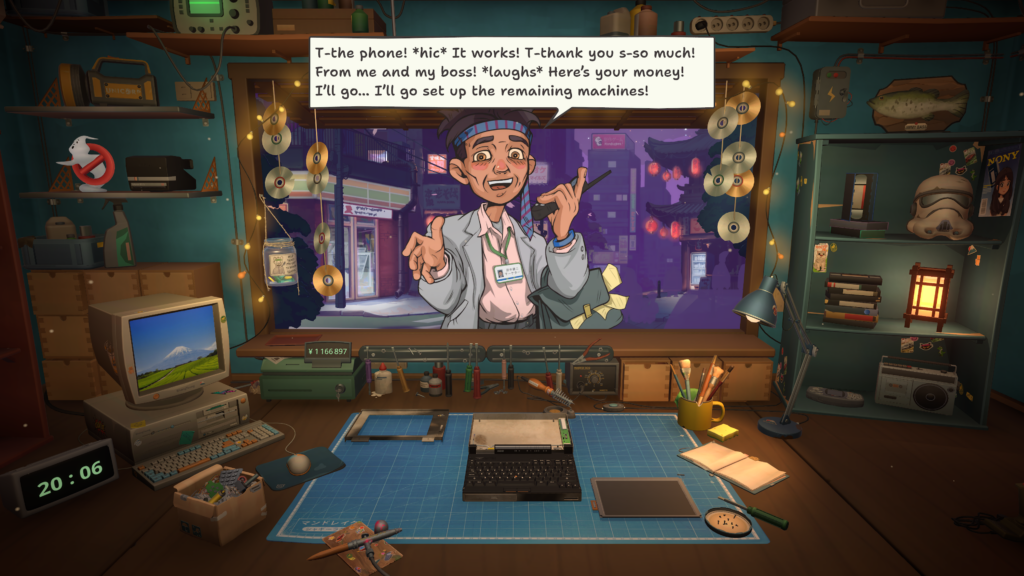
What meaning emerges from the steady calm of the shop as each device gets repaired? In restoring worn electronics to working order, can memories themselves be seen as something repairable? Why does each careful repair seem to carry its own small narrative moment and add such depth to the overall experience? Find out with ReStory: Chill Electronics Repairs, out now for PC on Steam.
Enjoy the trailer — until the Rift opens again, know that you’re appreciated.